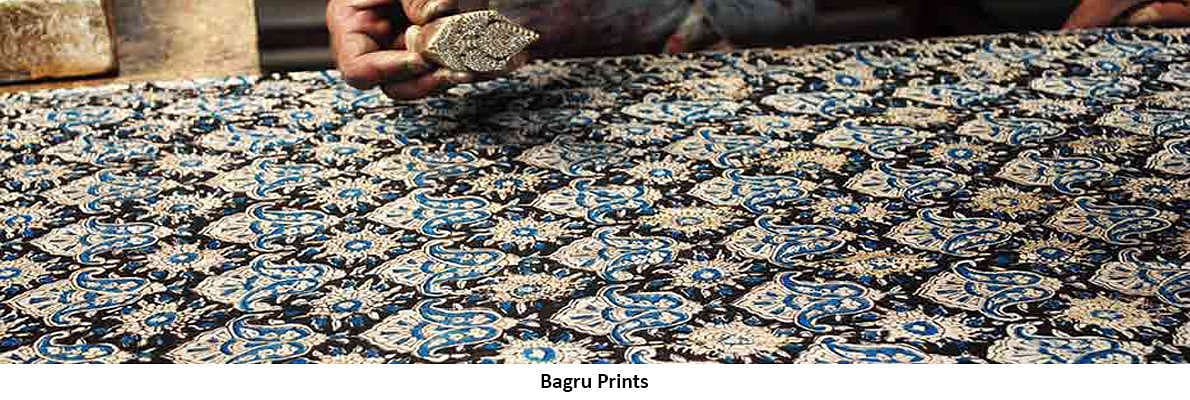
Deep in the arid lands of Rajasthan, roughly 30 kilometers from Jaipur, lies a town that breathes color into the desert. Bagru is not just a location; it is a living museum of sustainable art. Here, the Chhipa community has practiced the centuries-old tradition of hand-block printing for generations. They turn plain cotton into masterpieces using wood, mud, and natural elements.
If you love sustainable fashion or Indian heritage, you must understand the magic of Bagru.
The Masters Behind the Craft: The Chhipa Community
The Chhipa artisans define the soul of Bagru. For over 400 years, these families have passed down the intricate skill of block printing from parent to child. They do not merely print fabric; they maintain a rhythm of life that revolves around the sun, water, and earth.
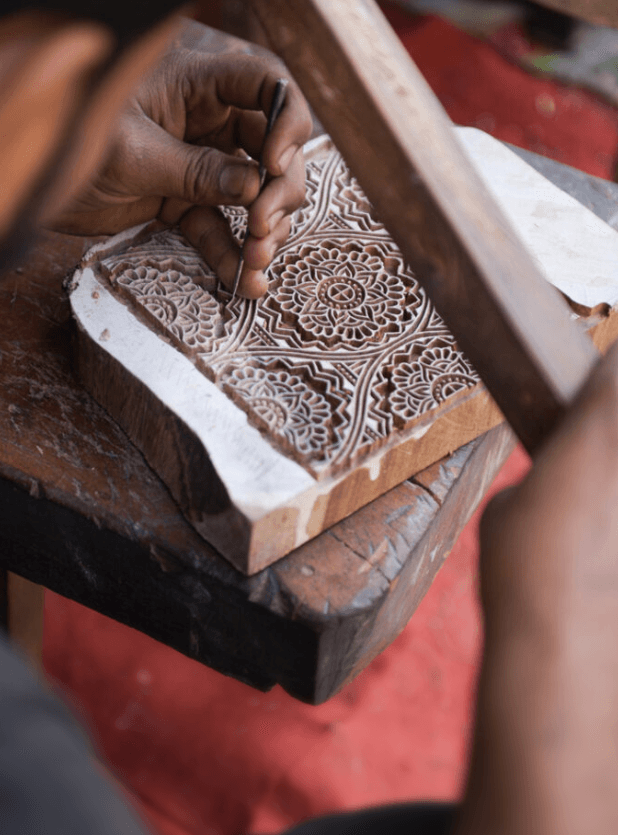
Unlike modern factories that rely on machines, a Chhipa artisan relies on steady hands and a keen eye. They carve intricate designs into teak wood blocks (Sheesham) with precision. These wooden blocks serve as the primary tool for transferring complex geometric and floral patterns onto the cloth.
The Secret Ingredient: Dabu (Mud Resist Printing)
Bagru is famous for ‘Dabu’ printing. This unique technique distinguishes Bagru prints from other Rajasthani textiles.
The process begins with a special paste. Artisans mix local clay, lime, gum, and wheat chaff to create this mud resist paste. They apply this mixture onto the fabric using the wooden blocks. Once the paste dries, it creates a barrier. When the artisans dip the fabric into a dye vat, the mud prevents the color from penetrating the covered areas.
After washing the fabric, the mud washes away to reveal a stark, beautiful contrast between the dyed background and the undyed pattern. This interplay of resist and dye creates the signature look of Bagru textiles.
Colors from the Earth
You will not find synthetic chemicals in authentic Bagru prints. The village stays true to nature. The artisans extract colors from the environment around them:
- Indigo (Blue): Derived from the Indigofera tinctoria plant.
- Madder Root (Red): Used to achieve deep, earthy reds.
- Harda (Yellow/Base): A fruit used to prepare the fabric for dyeing.
- Iron Scraps & Jaggery (Black): Fermented together to create intense black outlines.
This reliance on vegetable dyes ensures that the fabric remains eco-friendly and safe for the skin.

Why You Should Choose Bagru Prints
When you buy a Bagru saree, scarf, or shirt, you support a sustainable ecosystem. You actively fight against fast fashion. Each piece carries the imperfections of the human hand, which makes every meter of cloth unique.
Designers across the globe now covet these prints for their rustic, bohemian appeal. By wearing Bagru, you carry a piece of Indian history and support the livelihoods of master craftsmen who refuse to let a machine take their place.
Experience It Yourself
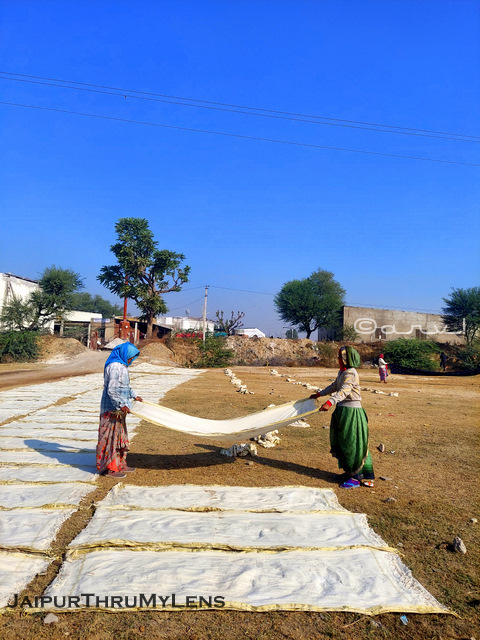
Travelers often visit Bagru to witness this process firsthand. Many workshops open their doors to visitors. You can watch the washing, dyeing, and printing steps in real time. Some artisans even offer workshops where you can pick up a block and print your own handkerchief.
Explore the lanes of Bagru. Smell the earthy scent of wet fabric and indigo. Witness the sun-baked fields covered in colorful tapestries. It is an experience that connects you deeply to the roots of Indian craftsmanship.