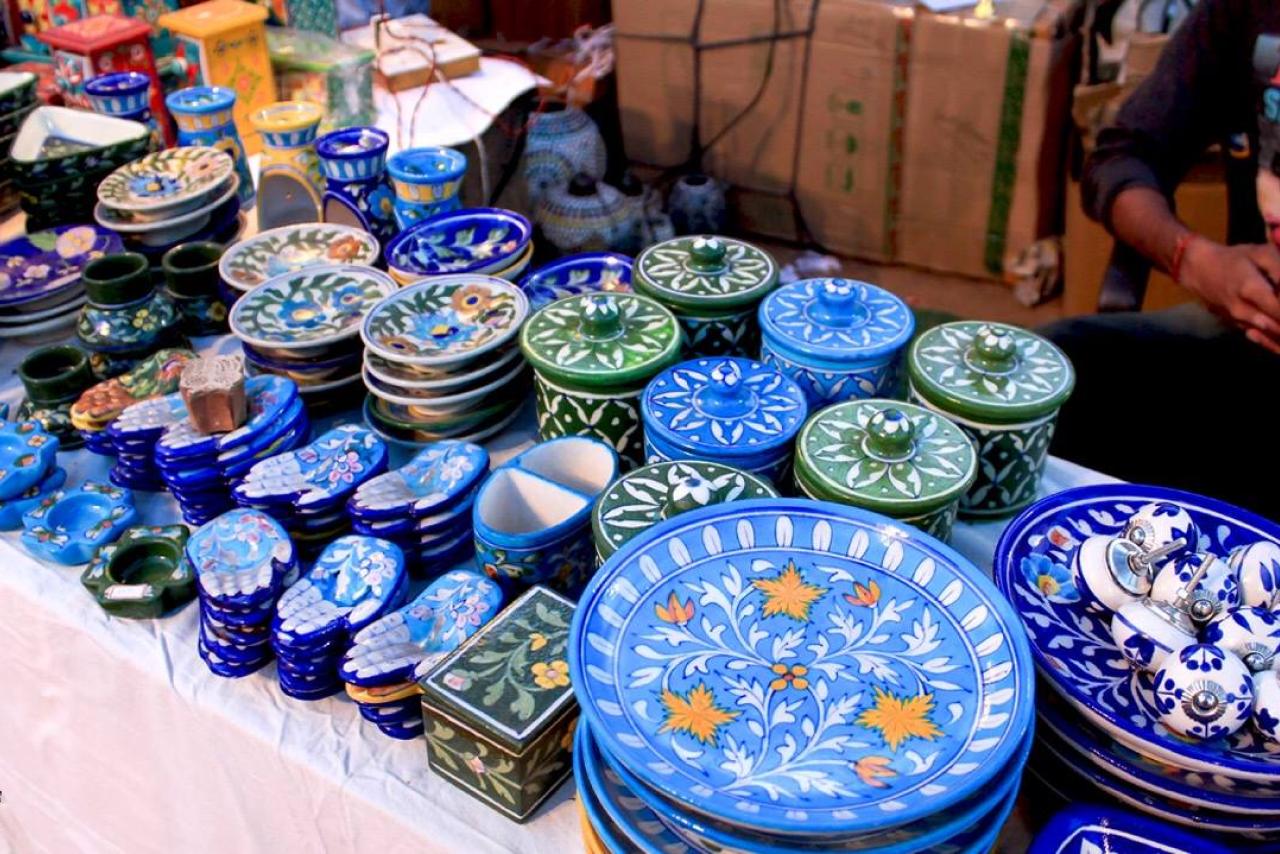
Rajasthan, India’s land of kings, always dazzles visitors with its vibrant colors and rich history. Yet, nestled within the fortified city of Bikaner lies an artistic tradition that truly shines: Bikaner pottery. This craft goes far beyond standard terracotta. It is a unique fusion of earth, fire, and opulent ornamentation.
Today, we explore the intricate details of this fascinating craft, celebrating the artisans who keep this traditional Indian craft alive.
More Than Just Clay: The Bikaner Difference
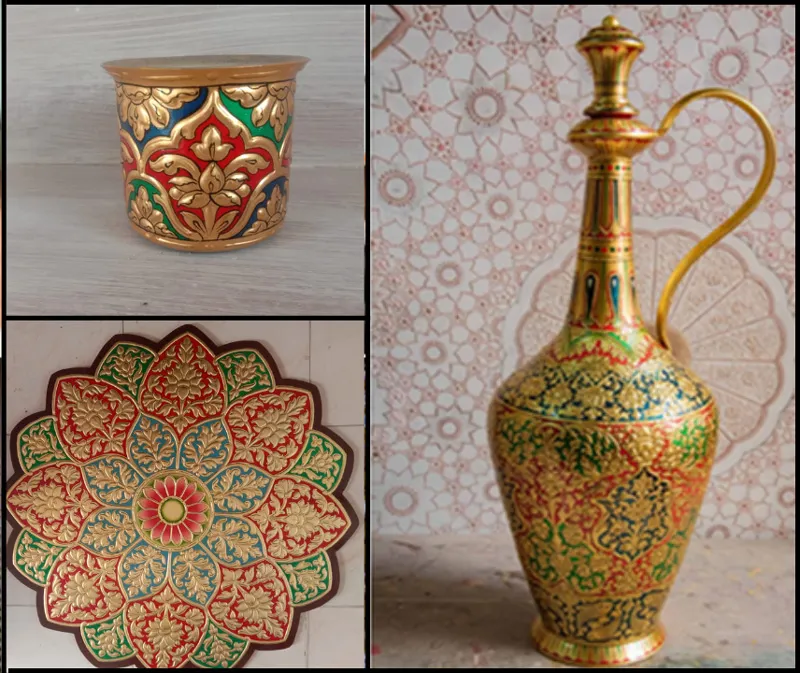
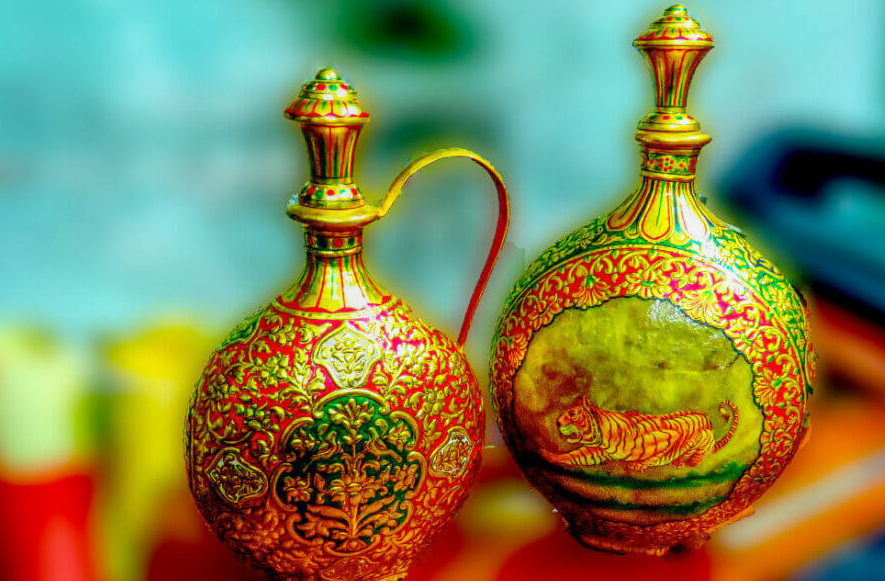
When people think of pottery, they often picture rustic, porous earthenware. Bikaner pottery breaks that mold completely. The defining characteristic of this regional style is its spectacular finish. Artisans don’t just paint the clay; they treat it with lacquer.
This lacquer coating transforms the humble pot into a glossy, durable canvas. The final product looks almost metallic or jewel-like, distinct from the matte finish of typical Rajasthani clay art. The colors—predominantly gold, rich reds, and deep blacks—evoke the royalty of the Thar desert.
The Artisan’s Journey: From Mud to Masterpiece
Creating a piece of Bikaner pottery requires immense skill, patience, and a steady hand. The process involves several distinct stages, each demanding precision.
1. Shaping the Earth: The journey begins with locally sourced clay. Skilled potters throw the clay on wheels, shaping it into various forms like vases (surahis), flasks, and decorative plates. They then fire these raw clay pieces in kilns to harden them into terracotta bases.
2. The Lacquer Application: This step defines the craft. Artisans take the fired pot and apply layers of lacquer. They traditionally obtain this resin from insects. They carefully melt the lacquer and smooth it over the clay surface, filling the pores and creating a gleaming foundation for the artwork.
3. The Artistic Flourish: Once the base is ready, the master painters take over. Using extremely fine brushes, they painstakingly draw intricate patterns. They often use gold powder mixed with a medium for the outlining, giving the pieces their signature regal look. They fill in the designs with vibrant colors, bringing the pot to life.

Designs Steeped in Tradition
The motifs adorning Bikaner pottery are rarely random. They reflect the rich cultural tapestry of Rajasthan.
Artists frequently draw inspiration from Mughal and Rajput miniature paintings. You will often see delicate floral arabesques, geometric patterns, and depictions of royal processions or hunting scenes. Some pieces feature imagery related to local folklore and desert life, such as camels and peacocks. Every line tells a story of the region’s heritage.
Bringing Bikaner Pottery into Your Home
In modern times, Bikaner pottery has transitioned from purely functional utility to high-end handcrafted home decor.
These pieces serve as stunning focal points in a living room or foyer. A single, large, gold-work surahi commands attention on a mantelpiece. Smaller decorative plates make for excellent wall art. Because of the lacquer finish, these pots are durable and retain their shine for years, making them excellent heirloom investments.
Supporting a Timeless Craft
By choosing genuine Bikaner pottery, buyers do more than acquire a beautiful object. They support a lineage of artisans who have passed these skills down through generations. In a world dominated by mass production, owning a piece of handcrafted Bikaner art connects you to the human touch and the vibrant spirit of Rajasthan.