The Silent Sentinel of Kutch
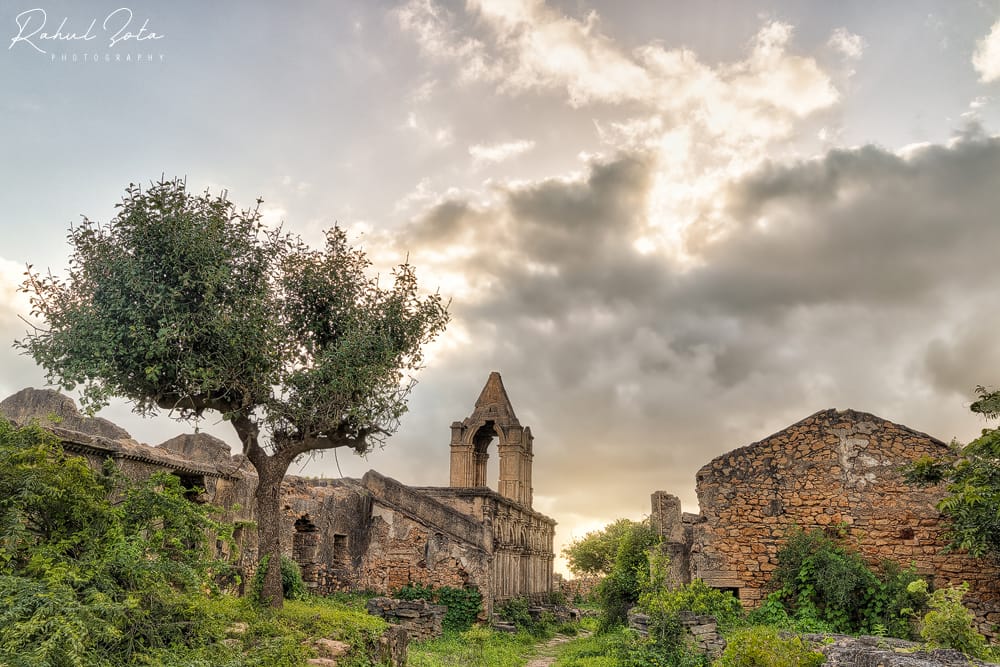
Imagine a place where history whispers through crumbling walls and peacocks dance among royal ruins. You find this ethereal atmosphere at Roha Fort, a hidden gem in the Nakhatrana Taluka of Kutch, Gujarat. Standing proudly 800 feet above sea level on Roha Hill, this 550-year-old fortress offers a perfect blend of adventure, history, and serenity. If you seek an offbeat destination away from the tourist crowds, Roha Fort awaits your arrival.
A Glimpse into the Past: Legends and Legacy
History comes alive at Roha. Rao Khengarji I initiated the construction in the 16th century, and Thakore Noganji completed this architectural marvel in the 18th century. The fort once served as a seat of power for 52 villages.
Locals often call it Roha Sumari Fort. A tragic yet poignant legend explains this name. One hundred and twenty distinct Sumari princesses sought refuge here and eventually sacrificed their lives (took Samadhi) to protect their honor from Allaudin Khilji. Their sacrifice echoes through the ruins today.
Literary enthusiasts also revere this site. The famous Gujarati poet, Kalapi, wrote many of his romantic and melancholic poems here, inspired by the fort’s tranquility and the majestic view of the surrounding lands.
The Trek: A Journey to the Top
Adventure calls you to the base of Roha Hill. The trek acts as a moderate challenge suitable for beginners and families. You climb approximately 60 to 100 stone steps to reach the main gate. As you ascend, the arid landscape of Kutch unfolds beneath you, offering breathtaking photo opportunities. The climb takes only about 30 to 45 minutes, making it an ideal half-day excursion.

What Awaits You Inside
Once you breach the main gates, a vast plateau of 16 acres greets you. Here is what you explore:
- The Radha-Krishna Temple: Unlike the surrounding ruins, this temple stands intact and active. Devotees still offer prayers here. The intricate stone carvings on the temple walls showcase the artistic brilliance of the era.
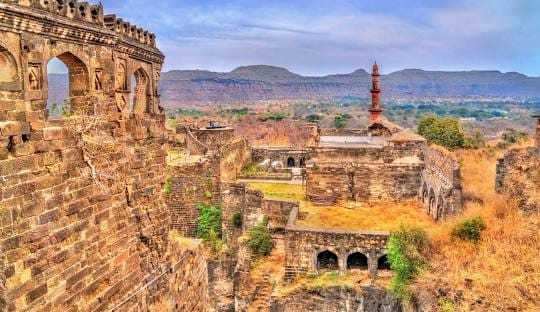
- The Royal Ruins: You wander through the remains of palaces, the police station (Kotwali), and residential quarters. Although the 2001 earthquake caused significant damage, the structures still command respect.
- Nature’s Company: Nature has reclaimed much of the fort. You spot numerous peacocks roaming freely, adding vibrant colors to the beige stones. The silence here calms the soul.

Best Time to Visit
To experience Roha Fort at its best, plan your trip during the winter months (November to February). The scorching heat of Kutch summers makes climbing difficult. Visit early in the morning or late afternoon to witness a mesmerizing sunrise or sunset. The golden light hits the stone walls perfectly for photography during these hours.
Practical Travel Tips
- Bring Supplies: You will not find shops on the hilltop. Carry sufficient water and snacks.
- Safety First: The area becomes desolate after dark. Visit during daylight hours and travel in groups.
- Footwear: Wear sturdy trekking shoes as the terrain includes loose rocks and uneven steps.
- Location: The fort sits about 50 km from Bhuj. You can hire a taxi or drive from Bhuj to Roha village easily.
Conclusion
Roha Fort stands as a testament to the resilience and grandeur of Kutch’s history. Whether you love trekking, photography, or history, this destination offers something unique. Pack your bags and let the ruins of Roha tell you their timeless story.